
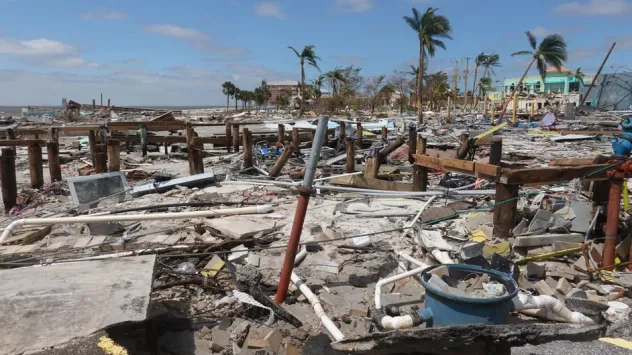
When a hurricane passes through your community, the immediate aftermath can feel overwhelming. The silence that follows the storm often carries the weight of lost inventory, damaged facilities, disrupted supply chains, and concerns about employees and customers who are struggling with their own recovery. If you’re reading this as a micro, small, or medium-sized business owner, know that what you are feeling is valid. The path forward may seem unclear right now, but you don’t have to walk it alone.
Recovery doesn’t happen overnight. It is measured in weeks, months, and sometimes years. But with careful planning, community support, and resilience, businesses do rebuild. This guide provides practical steps to help you navigate the recovery process, regardless of the industry you serve.
First Steps: Safety and Assessment
Before anything else, the safety of your team and you comes first. Wait for official clearance before returning to your business location. Once it is safe to assess the damage, document everything thoroughly and accurately. Take photographs and videos of all affected areas, damaged equipment, lost inventory, and structural issues. This documentation will be essential for filing insurance claims and applying for disaster assistance.
Contact your insurance company as soon as possible. The sooner you file your claim, the sooner you can begin accessing funds for repairs and recovery. Maintain detailed records of all communications, including claim numbers and adjuster assignments. If you’re feeling overwhelmed by the paperwork, consider reaching out to a local business recovery center or a Small Business Administration of Jamaica (SBAJ) chapter for assistance.
Communicating with Your Community
Your customers and clients are likely wondering about your status. Even if you don’t have all the answers yet, communication is crucial. Utilize the available channels, such as social media, email, your website, or even a simple sign at your business location. Let people know that you are safe, share what you know about your reopening timeline, and express your commitment to serving them again.
Be honest about the challenges you are facing. People understand the severity of hurricane damage, and transparency builds trust. If you are unsure when you will reopen, say so, but commit to providing updates as you learn more. Your clients will appreciate knowing you’re working toward recovery, even if you can’t give them a specific date yet.
Supporting Your Team Through Crisis
Your employees are navigating their own hurricane recovery. Some may have lost homes, vehicles, or personal belongings. Others might be caring for family members or dealing with displacement. Before focusing solely on business operations, check on your team’s well-being.
If your business has the financial capacity, consider offering emergency assistance, such as advances on paychecks, flexible work arrangements, or connections to community resources. If you can’t provide financial support, emotional support is equally important. Be patient with delayed responses, understand that productivity may be lower during this time, and create space for people to share their needs without judgment.
Remember that returning to work can provide structure and normalcy during times of chaos. As soon as it’s feasible, communicate your plans for resuming operations, even if it’s in a limited capacity. This gives your team something to work toward and helps them regain a sense of stability.
Financial Recovery and Assistance
Hurricane recovery requires significant financial resources. Beyond insurance claims, explore all available assistance programs. The Small Business Administration typically offers low-interest disaster loans for businesses of all sizes. These loans can cover physical damage, economic injury, and even refinancing of existing debt to improve cash flow during recovery.
Local and government agencies often establish emergency relief programs in response to major disasters. Check with your chamber of commerce, economic development office, or small business development center for information about grants, low-interest loans, or tax relief programs. Many industry associations also provide emergency assistance to member businesses.
Don’t overlook the power of community fundraising. Crowdfunding platforms can help local businesses raise recovery funds, and community members often want to support businesses they value in their community. While it may feel uncomfortable to ask for help, remember that supporting local businesses benefits the entire community’s economic recovery.
Adapting Your Operations
You may not be able to return to business as usual immediately, and that’s okay. Consider temporary solutions that allow you to serve customers while you rebuild. Can you operate from a different location? Offer limited services? Partner with another business that has space available?
For retail businesses, consider exploring pop-up locations or online sales if your inventory has survived. Service-based businesses might offer remote consultations or prioritize services that don’t require full facility access. Restaurants could consider limited menus, takeout-only operations, or partnerships with food trucks while dining spaces are repaired.
This is also an opportunity to evaluate what was working before the storm and what might need to change. Sometimes disaster forces innovation that ultimately strengthens a business. Stay open to new approaches, but don’t feel pressured to make significant strategic changes while you’re still in crisis mode.
Rebuilding with Resilience
As you rebuild, consider how to make your business more resilient for the future. This doesn’t mean preparing for another hurricane specifically, but building flexibility into your operations. Diversify your supply chain to reduce your dependence on a single vendor. Maintain adequate insurance coverage and review it annually to ensure it remains current and up-to-date. Create and regularly update a business continuity plan that includes emergency contacts, backup systems, and recovery procedures.
Consider flood-resistant building materials, elevated equipment, and weatherproof storage for essential documents and inventory. Implement cloud-based systems for your critical data, allowing you to access it from anywhere. These investments might seem expensive now, but they can save your business during the next disaster.
Build relationships with other businesses in your community. The networks you create now can become mutual support systems. When one business struggles, others can help fill gaps in service, share resources, or provide temporary workspace. Community resilience strengthens individual business resilience.
Serving Your Customers During Recovery
Your customers are also recovering. They are facing their own challenges, whether that’s repairing homes, replacing vehicles, or managing financial strain. Approach them with empathy and flexibility. If you usually require upfront payment, consider extending credit to trusted customers. If your services can help them with their recovery, prioritize those offerings.
Be understanding about canceled appointments, delayed payments, or reduced orders. These aren’t signs of lost business, but temporary disruptions caused by circumstances beyond anyone’s control. The grace you extend now will build loyalty that lasts long after the recovery is complete.
At the same time, be clear about your own limitations. If you are unable to provide specific services at this time, please explain why and offer alternatives whenever possible. If you need to adjust your pricing to cover increased costs, be transparent about it. Most customers will understand that disaster recovery affects everyone, including the businesses they depend on.
Taking Care of Yourself
As a business owner, you may feel pressure to prioritize everyone else’s needs over your own. But you can’t pour from an empty cup.
The stress of hurricane recovery, combined with the responsibility of keeping a business afloat, can be overwhelming. It’s not a weakness to acknowledge that you’re struggling. It’s wisdom.
Seek support from other business owners who understand what you’re experiencing. Connect with a therapist or counselor if you’re feeling anxious, depressed, or traumatized by the event. Join local business recovery groups to share challenges and solutions. Take breaks whenever you can, even if they’re short. Recovery is a marathon, not a sprint.
Remember that setbacks are a regular part of the recovery process. Some days will feel hopeful, others will feel impossible. Progress rarely moves in a straight line. Permit yourself to have bad days without seeing them as failures. Each small step forward matters, even when the destination still feels far away.
Looking Toward the Future
Recovery takes time, but it does happen. Communities rebuild. Businesses reopen. Customers return. The process is rarely smooth or quick, but each day brings you closer to stability. You’re not just recovering what was lost; you’re building something new, informed by the lessons learned during one of the most challenging experiences of your professional life.
Your business matters to your community. It provides jobs, services, and a sense of normalcy. By choosing to rebuild, you’re contributing to the broader recovery effort. That impact extends beyond your bottom line. It touches the lives of your employees, your customers, and the entire local economy.
The road ahead may be long, but you don’t have to travel it alone. Reach out for help when you need it. Celebrate small victories along the way. And know that what feels impossible today will eventually become your story of resilience and survival. Communities are stronger together, and your decision to rebuild makes everyone stronger.
Moving Forward
Hurricane recovery isn’t just about repairing buildings and replacing inventory; it’s also about rebuilding communities and restoring livelihoods. It’s about rebuilding lives, restoring livelihoods, and reconnecting communities. As a business owner, you play a vital part in that process. Your perseverance in the face of disaster inspires others and demonstrates the resilience that defines so many small and medium-sized businesses.
Take it one day at a time. Use the resources available to you. Lean on your community, and let them lean on you. And remember that recovery isn’t about returning to exactly how things were before. It’s about moving forward, stronger and more prepared, into whatever comes next.
At G Note Management Services Limited, we are committed to supporting businesses through their recovery journey. If you need guidance on strategic planning, funding opportunities, business restructuring, or professional development, we’re here to help.
Recovery isn’t about returning to exactly how things were before. It’s about moving forward, stronger and more prepared, into whatever comes next.
You’ve weathered the storm. Now comes the rebuilding. And while it won’t be easy, you have what it takes to rise again.